Author: Elinor C.

  • What My Grandma’s Pork Skin Jelly Taught Me About Collagen and Wellness

    Growing up, one of my favorite dishes from my grandmother’s kitchen was 猪皮冻 — pork skin jelly.

    It might sound unusual if you’ve never tried it, but to me, it tasted like comfort and nostalgia in its purest form — silky, savory, and just the right amount of bounce.

    My grandma would buy pork skin from the market, blanch it, and slice it thinly. Then she’d simmer it with a few spices until the mixture turned into a fragrant broth. Once cooled, it solidified into a shimmering jelly. We’d cut it into cubes and eat it chilled, dipped in garlic and black vinegar — a simple, humble side dish that always appeared at our table.

    At the time, I never thought much about it. It was just something Grandma made — a taste of home.

    But recently, while researching collagen, I stumbled upon something that made me pause.

    Could it be that my grandma had been quietly nourishing our bodies in ways we never knew?

    Rediscovering Collagen Through Tradition

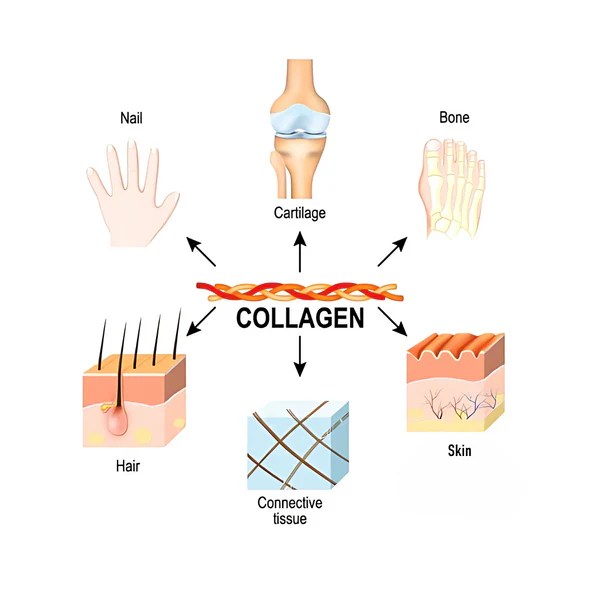
    Collagen is the most abundant protein in the human body. It’s found in our skin, hair, nails, bones, tendons, and even organs — providing structure, strength, and elasticity. Think of it as your body’s internal scaffolding: it holds everything together.

    As we age, collagen production naturally declines — often starting in our mid-twenties. This leads to visible and physical changes like:

    • Wrinkles and sagging skin
    • Joint discomfort from worn cartilage
    • Weaker muscles and stiffer tendons
    • Slower healing and digestion issues

    That’s where collagen-rich foods come in.

    According to Harvard’s School of Public Health, gelatin — a form of collagen — is made by boiling animal bones, cartilage, and skin for several hours, then allowing the liquid to cool and set.
    Sound familiar? That’s exactly how 猪皮冻 is made.

    Little did I know that every bite of my grandma’s pork skin jelly was quietly helping to replenish my body’s collagen stores.

    Collagen-Rich Dishes from My Chinese Childhood

    As I dug deeper, I realized how many dishes from my upbringing were naturally abundant in collagen.

    What once felt like “everyday home cooking” was actually ancestral wisdom in action — food as medicine, long before I had the words for it.

    Some of my childhood favorites include:

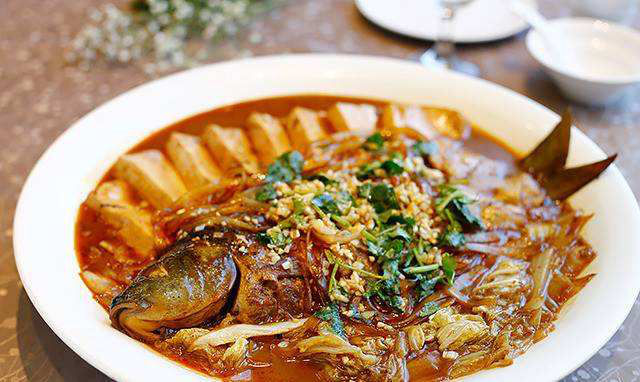
    • Iron Pot Fish Stew (铁锅炖鱼)
    • Jellyfish Salad (凉拌海蜇皮)
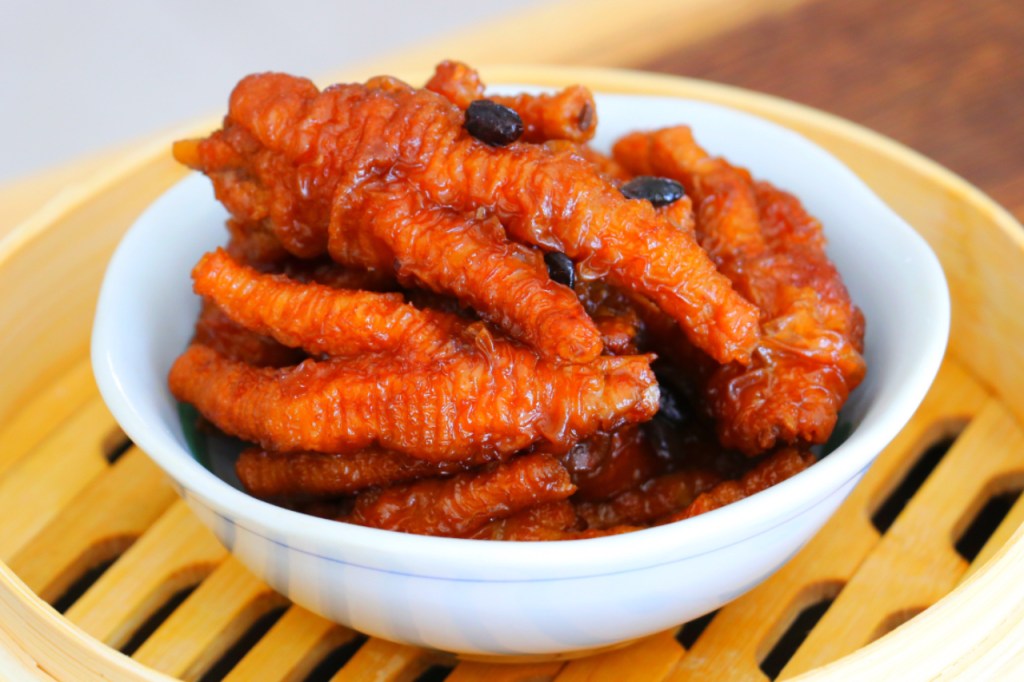
    • Steamed Chicken Feet (凤爪)
    • Braised Pig Feet (红烧猪蹄)
    • Pig Ear Salad (凉拌猪耳朵)

    These traditional dishes often used ingredients rich in connective tissue, skin, or cartilage — all natural sources of collagen.

    They weren’t made to follow a trend; they were made to nourish and sustain.

    Ancient Wisdom Meets Modern Wellness

    After living in the U.S. for over two decades, I’ve noticed how dishes like these can seem strange or even unappetizing to Western palates.

    But when I look closer, I see how these foods carry generations of knowledge about balance, nourishment, and vitality.

    While collagen supplements have become a modern wellness staple, many traditional cultures have been practicing this form of nourishment for centuries — through slow-cooked broths, stews, and simmered dishes.It’s a reminder that true wellness often begins with returning to what our ancestors already knew: the simplest foods can hold the deepest nourishment.

    How to Support Collagen Naturally

    Beyond traditional dishes, here are foods and nutrients that support healthy collagen production:

    🥩 Collagen-Rich Foods

    • Pork skin, chicken skin, and bone broth
    • Gelatin and jellyfish
    • Tough cuts of meat like brisket, chuck roast, or pot roast
    • Salmon and sardines (with skin and bones)

    🌱 Amino Acid–Rich Foods

    These provide the building blocks of collagen (glycine, proline, and hydroxyproline):

    • Fish, poultry, meat, eggs, dairy, legumes, and soy

    🌈 Nutrients That Boost Collagen Production

    • Zinc: shellfish, legumes, meats, nuts, seeds, whole grains
    • Vitamin C: citrus fruits, berries, leafy greens, bell peppers, tomatoes

    Note: Other factors such as excessive sun exposure, smoking, poor sleep, and unbalanced diets can accelerate collagen loss.

    There’s no official daily requirement for collagen, and supplements aren’t reviewed by the FDA for safety or effectiveness. If you choose to take them, prioritize quality and moderation.

    Try It Yourself: 猪皮冻 (Pork Skin Jelly)

    Curious to experience this collagen rich dish?
    Here’s a delicious, easy-to-follow recipe:
    👉 Pork Rind Jelly — by Red House Spice

    It’s light, delicate, and deeply satisfying — a beautiful way to taste tradition while nourishing your body.

    And if you are feeling adventurous, here are a few others.

    👉 Steamed Chicken Feet – by CiCi Li

    👉 Chinese Braised Pork Trotters (红烧猪蹄) – by Omnivore’s Cookbook

    A Closing Reflection

    Learning about collagen has given me a newfound appreciation for the foods I grew up with — and for the quiet wisdom they carry.

    My grandma’s 猪皮冻 wasn’t just comfort food; it was nourishment for both body and spirit — a lesson in radiant wellness passed down through generations.Next time you explore a traditional dish, pause and wonder what hidden nourishment it might hold.
    Perhaps, like 猪皮冻, it’s more than just food — it’s ancestral medicine in disguise.

  • How to Stay Healthy Naturally with TCM’s Preventive Wisdom

    How to Stay Healthy Naturally with TCM’s Preventive Wisdom

    Ever feel like you’re always catching colds, or that your energy dips just when you need it most?

    According to American Lung Association, most adults get sick two to three times a year. While that’s considered “normal,” Traditional Chinese Medicine (TCM) offers a powerful mindset shift that can help you feel healthier, stronger, and more resilient all year round.

    This principle is called 治未病 (zhì wèi bìng), which literally translates to “treat disease before it happens.”


    What Does 治未病 Mean?

    In TCM, health isn’t just about treating symptoms once you’re sick. It’s about preventing and maintaining wellness so your body is less likely to get sick in the first place.

    Breaking down the characters:

    • 治 (zhì) → to treat
    • 未 (wèi) → not yet
    • 病 (bìng) → disease

    Together, they remind us: don’t wait until illness strikes. Care for your body now.


    Why This Matters Today

    Modern life often pushes us into a cycle of burnout: late nights, skipped meals, endless stress. It’s no wonder colds, flu, and fatigue hit us harder. The wisdom of 治未病 invites us to slow down, listen to our bodies, and shift from reaction to prevention.

    Think of it like building a well: you wouldn’t wait until you’re dying of thirst to start digging. The same applies to health—prepare your body before challenges arrive.


    Four Layers of Prevention in TCM

    TCM outlines four layers of preventive care that apply across both health and illness:

    1. 未病先防 – Prevent illness before it arises

    When you’re healthy, focus on the basics:

    • Maintain good sleep hygiene (your body recharges at night
    • Move daily to circulate energy and strengthen immunity
    • Eat whole foods, fruits, and vegetables to nourish your body

    Think of these habits as charging your body’s battery before it runs low.


    2. 欲病早治 – Treat illness early

    At the first sign of discomfort—scratchy throat, fatigue, body aches—don’t brush it aside. Now is the time to…

    • Rest more, hydrate, and take medicine if needed
    • Press acupuncture points like LI4 (on the hand) or ST36 (on the leg) to boost immunity

    Catching illness early is like putting out a small spark before it becomes a wildfire.


    3. 既病防变 – Prevent illness from worsening

    If you’re already sick, your job is recovery—not pushing through.

    • Take a sick day. Stay in bed and give your body permission to heal
    • Avoid greasy or raw meals that strain digestion

    By honoring rest, you shorten the duration of illness and protect your long-term health.


    4. 愈后防复 – Prevent relapse after recovery

    Once you’re feeling better, it’s tempting to jump back into life at full speed. But your body still needs to rebuild.

    • Ease back into strenuous exercise gradually.
    • Support your system with restorative foods like bone broth or red dates to replenish energy (qi).

    This prevents relapse and helps you return stronger than before.


    A Mindset for Lasting Health

    At its heart, 治未病 is about living with awareness: noticing your body’s signals and giving it what it needs before problems grow.

    Instead of asking “How do I fix this illness?” ask: “How can I stay well in the first place?”


    Ready to Go Deeper?

    I created a video that breaks down these four layers of 治未病 with examples you can start using today. Watch it here 👉


    Closing Thought

    Small, consistent choices—whether it’s sleeping earlier, pausing at the first sign of illness, or nourishing yourself after recovery—add up over time. This is how you build true resilience, the TCM way.

  • Stay Healthy This Fall with 春捂秋冻 | Traditional Chinese Wellness Practice

    Stay Healthy This Fall with 春捂秋冻 | Traditional Chinese Wellness Practice

    But 春捂秋冻 is more than just a guideline for dressing—it embodies the Chinese philosophical concept of 天人合一 (tiān rén hé yī), which emphasizes living in harmony with nature and the rhythms of the cosmos.


    Why Practice 春捂秋冻?

    The benefits are simple but profound:

    • Strengthen immunity
    • Prevent illness
    • Help the body stay balanced with seasonal changes, aligning with natural shifts in yin and yang energy

    By gradually adapting to seasonal temperature changes, the body builds resilience and maintains overall health and vitality.


    What 春捂秋冻 Means

    Breaking down the proverb literally:

    • 春 (chūn) = spring
    • 捂 (wǔ) = cover, keep warm
    • 秋 (qiū) = autumn
    • 冻 (dòng) = endure chill, be cold

    In practice:

    • In spring, don’t shed warm clothes too quickly.
    • In autumn, don’t bundle up too soon.
    • Let your body adapt gradually to seasonal changes.

    How to Practice 秋冻 (Enduring Autumn Chill)

    1. Clothing

    • Wear thin, layered clothing and add layers gradually.
    • Aim to feel slightly cool—not shivering.
    • Example: wear a long-sleeve shirt in the morning, remove layers if it’s warm at noon, and put them back on in the evening.
    • In late autumn, delay adding extra layers slightly to allow some exposure to cold for immune benefits.

    2. Timing

    • When temperatures stay above 68°F (20°C), a little exposure to cool air is healthy—it promotes circulation, strengthens immunity, and prevents illness caused by overheating.
    • If temperatures stay below 59°F (15°C) for more than two weeks, it’s time to switch to warmer autumn/winter clothing.

    3. Body Parts

    • Keep head, neck, abdomen, shoulders, and feet warm.
    • These areas are key entry points for cold and vital for maintaining the body’s internal heat (yang energy).

    4. Who Should Avoid 秋冻

    • Children, the elderly, people prone to cold, or anyone with chronic illnesses should avoid extended exposure to cold.

    5. Regional Differences

    • In northern regions (or places with early, chilly autumns and large day-night temperature swings), add layers in the mornings and evenings.
    • In southern regions with milder autumns, you can extend exposure to cooler air and add clothing more gradually.

    Key Takeaway

    春捂秋冻 is more than an old saying—it’s a practical guide to living with the seasons:

    • Spring: don’t shed warm clothes too quickly
    • Autumn: don’t bundle up too early

    Gradual adaptation helps your body stay resilient, balanced, and healthy throughout seasonal transitions.

  • 治未病: The Wisdom of Preventing Illness Before It Begins

    治未病: The Wisdom of Preventing Illness Before It Begins

    When we go to the doctor nowadays, it’s usually because we’re already sick — a sore throat, a stuffed nose, an aching body. We’re looking for a diagnosis, maybe a prescription, and ideally, a quick recovery.

    This scene plays out millions of times a day across the world. In modern medicine, the focus is on treatment — fighting illness after it has already arrived.

    But what if there’s another way?

    What if the best doctor you’ve ever had… is the one you’ve never had?


    What Does 治未病 (Zhì Wèi Bìng) Mean?

    The phrase 治未病 (zhì wèi bìng) comes from Traditional Chinese Medicine (TCM) and represents a core philosophy:

    • 治 (zhì): to govern, manage, or treat
    • 未 (wèi): not yet
    • 病 (bìng): illness, disease

    “to treat disease before it happens.”

    Together, it means: “to treat disease before it happens.”

    This principle is at the heart of TCM and also echoes through other ancient healing systems, such as Ayurveda. Instead of waiting for illness to strike, the goal is to cultivate balance, strengthen the body, and prevent disease from taking root.


    The Story of Bian Que and Preventative Medicine

    One of the most famous physicians in Chinese history, Bian Que (扁鹊), explained this philosophy through a story recorded in the Shiji (Records of the Grand Historian).

    When Lord Wen of Wei asked him which of his brothers was the most skilled doctor, Bian Que answered:

    “My eldest brother is the best, my second brother is next, and I am the least skilled.”

    The ruler was shocked. “Then why are you the most famous?”

    Bian Que explained:

    • His eldest brother could detect illness before it even began, but because people didn’t feel sick, they couldn’t appreciate his skill.
    • His second brother treated illness at its earliest stage, and people thought he only handled minor problems.
    • Bian Que himself treated patients only once they were gravely ill. The dramatic results made him famous.

    The lesson: the greatest doctor is the one who prevents illness so skillfully that their work often goes unseen.


    Why Preventative Medicine Matters Today

    It’s tempting to wait until symptoms appear before acting, but true healing begins before disease has a chance to take hold.

    As an old proverb reminds us:

    • Don’t dig a well only when you’re already thirsty.
    • Don’t prepare your soldiers after the war has begun.

    The same wisdom applies to our health.


    Simple TCM-Inspired Practices for Prevention

    Preventing illness doesn’t require complicated rituals. It’s found in small, consistent choices that nourish body and mind:

    • 🌿 Drink a warm glass of water in the morning to awaken digestion
    • 🌬️ Practice mindful breathing to calm the nervous system
    • 🥗 Choose foods that support gut health and immunity
    • 🚶 Take a mindful walk instead of endless scrolling
    • 🌙 Disconnect from your phone before bedtime to restore deep rest

    These practices are ways we cultivate Qi (life force) and strengthen our foundation before sickness strikes.


    Final Reflection: Honor the Healer Within

    So what if the best doctor you’ve ever had… is the one you’ve never had?

    You honor that doctor every time you choose prevention. Every time you care for your body, mind, and spirit before illness appears.

    ✨ Prevention is wisdom in action.
    ✨ Start today.
    ✨ Become your own first line of defense.


    Reflection Question

    What’s one small ritual you can start this week to strengthen your health before illness begins?