Growing up, one of my favorite dishes from my grandmother’s kitchen was 猪皮冻 — pork skin jelly.
It might sound unusual if you’ve never tried it, but to me, it tasted like comfort and nostalgia in its purest form — silky, savory, and just the right amount of bounce.

My grandma would buy pork skin from the market, blanch it, and slice it thinly. Then she’d simmer it with a few spices until the mixture turned into a fragrant broth. Once cooled, it solidified into a shimmering jelly. We’d cut it into cubes and eat it chilled, dipped in garlic and black vinegar — a simple, humble side dish that always appeared at our table.
At the time, I never thought much about it. It was just something Grandma made — a taste of home.
But recently, while researching collagen, I stumbled upon something that made me pause.
Could it be that my grandma had been quietly nourishing our bodies in ways we never knew?
Rediscovering Collagen Through Tradition
Collagen is the most abundant protein in the human body. It’s found in our skin, hair, nails, bones, tendons, and even organs — providing structure, strength, and elasticity. Think of it as your body’s internal scaffolding: it holds everything together.
As we age, collagen production naturally declines — often starting in our mid-twenties. This leads to visible and physical changes like:
- Wrinkles and sagging skin
- Joint discomfort from worn cartilage
- Weaker muscles and stiffer tendons
- Slower healing and digestion issues
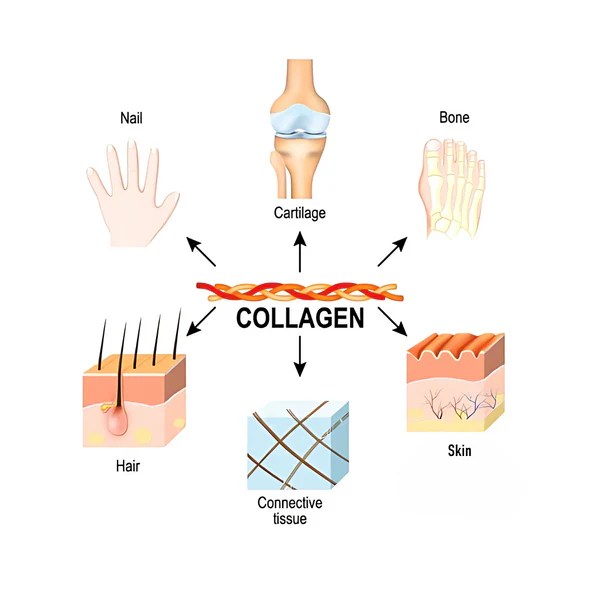
That’s where collagen-rich foods come in.
According to Harvard’s School of Public Health, gelatin — a form of collagen — is made by boiling animal bones, cartilage, and skin for several hours, then allowing the liquid to cool and set.
Sound familiar? That’s exactly how 猪皮冻 is made.
Little did I know that every bite of my grandma’s pork skin jelly was quietly helping to replenish my body’s collagen stores.
Collagen-Rich Dishes from My Chinese Childhood
As I dug deeper, I realized how many dishes from my upbringing were naturally abundant in collagen.
What once felt like “everyday home cooking” was actually ancestral wisdom in action — food as medicine, long before I had the words for it.
Some of my childhood favorites include:
- Iron Pot Fish Stew (铁锅炖鱼)
- Jellyfish Salad (凉拌海蜇皮)
- Steamed Chicken Feet (凤爪)
- Braised Pig Feet (红烧猪蹄)
- Pig Ear Salad (凉拌猪耳朵)
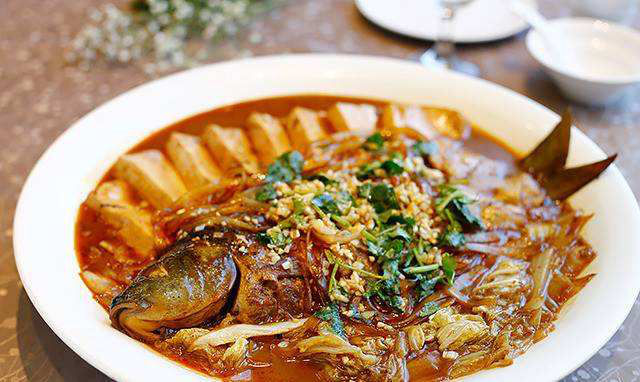
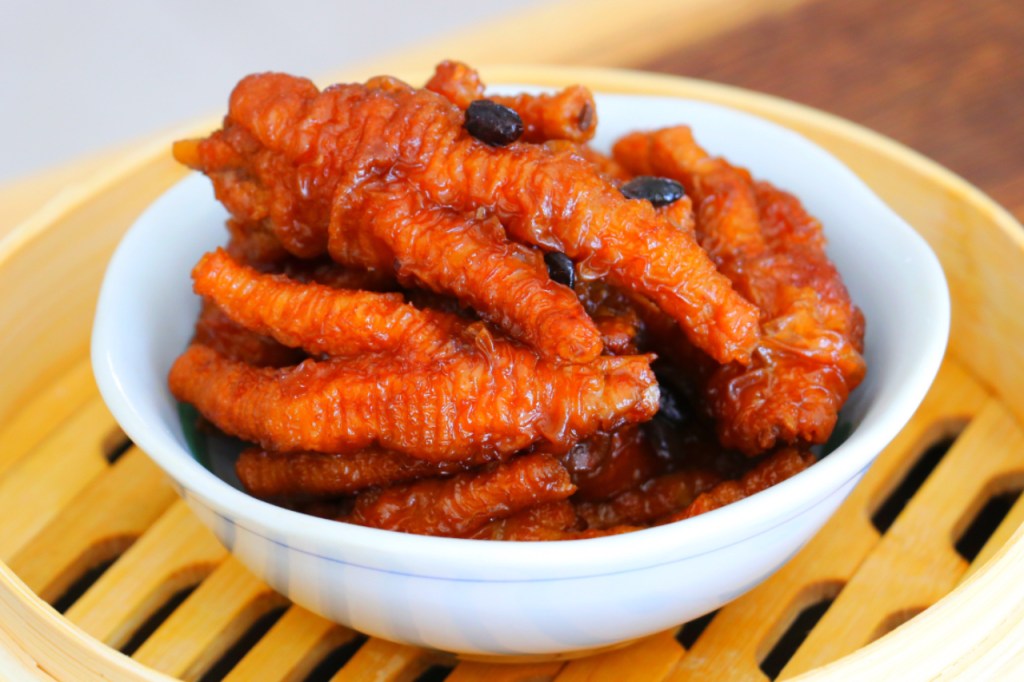


These traditional dishes often used ingredients rich in connective tissue, skin, or cartilage — all natural sources of collagen.
They weren’t made to follow a trend; they were made to nourish and sustain.
Ancient Wisdom Meets Modern Wellness
After living in the U.S. for over two decades, I’ve noticed how dishes like these can seem strange or even unappetizing to Western palates.
But when I look closer, I see how these foods carry generations of knowledge about balance, nourishment, and vitality.
While collagen supplements have become a modern wellness staple, many traditional cultures have been practicing this form of nourishment for centuries — through slow-cooked broths, stews, and simmered dishes.It’s a reminder that true wellness often begins with returning to what our ancestors already knew: the simplest foods can hold the deepest nourishment.
How to Support Collagen Naturally
Beyond traditional dishes, here are foods and nutrients that support healthy collagen production:
🥩 Collagen-Rich Foods
- Pork skin, chicken skin, and bone broth
- Gelatin and jellyfish
- Tough cuts of meat like brisket, chuck roast, or pot roast
- Salmon and sardines (with skin and bones)
🌱 Amino Acid–Rich Foods
These provide the building blocks of collagen (glycine, proline, and hydroxyproline):
- Fish, poultry, meat, eggs, dairy, legumes, and soy
🌈 Nutrients That Boost Collagen Production
- Zinc: shellfish, legumes, meats, nuts, seeds, whole grains
- Vitamin C: citrus fruits, berries, leafy greens, bell peppers, tomatoes
Note: Other factors such as excessive sun exposure, smoking, poor sleep, and unbalanced diets can accelerate collagen loss.
There’s no official daily requirement for collagen, and supplements aren’t reviewed by the FDA for safety or effectiveness. If you choose to take them, prioritize quality and moderation.
Try It Yourself: 猪皮冻 (Pork Skin Jelly)
Curious to experience this collagen rich dish?
Here’s a delicious, easy-to-follow recipe:
👉 Pork Rind Jelly — by Red House Spice
It’s light, delicate, and deeply satisfying — a beautiful way to taste tradition while nourishing your body.
And if you are feeling adventurous, here are a few others.
👉 Steamed Chicken Feet – by CiCi Li
👉 Chinese Braised Pork Trotters (红烧猪蹄) – by Omnivore’s Cookbook
A Closing Reflection
Learning about collagen has given me a newfound appreciation for the foods I grew up with — and for the quiet wisdom they carry.
My grandma’s 猪皮冻 wasn’t just comfort food; it was nourishment for both body and spirit — a lesson in radiant wellness passed down through generations.Next time you explore a traditional dish, pause and wonder what hidden nourishment it might hold.
Perhaps, like 猪皮冻, it’s more than just food — it’s ancestral medicine in disguise.
 Radiant Qi Wellness
Leave a comment